Sports Infrastructure & Training Equipment


Synthetic Ice
Request InformationProduct Details
I. Product Introduction
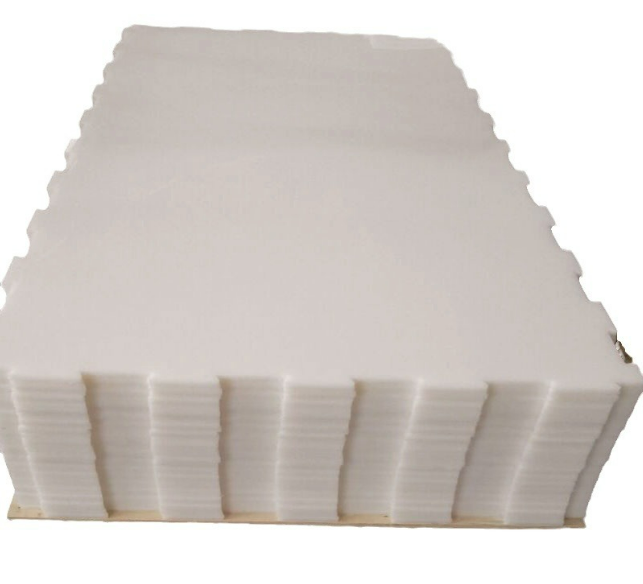
Ultra-High Molecular Weight Polyethylene (UHMWPE) synthetic ice is a modular panel made from UHMWPE with a molecular weight ≥1.5 million. It is manufactured through extrusion, compression molding, or surface modification processes to simulate the physical properties of natural ice—specifically low friction and high lubricity. Widely used as a refrigeration-free alternative to traditional ice rinks, it serves sports training, commercial entertainment, and industrial simulation scenarios.
The core principle relies on UHMWPE’s “self-lubricating properties,” “high wear resistance,” and “low-temperature stability,” combined with a modular splicing design to create an ice-like gliding experience without any refrigeration system.
II. Product Advantages
1. Key Advantages Compared to Natural Ice
No refrigeration, energy-saving, and environmentally friendly: Operating costs are reduced by 70–90%, with no geographic or climatic limitations.
Easy maintenance and longer lifespan: Requires only regular cleaning and lasts 8–15 years.
Flexible installation and strong adaptability: Modular design supports rapid assembly via interlocking or tongue-and-groove joints. Can be installed on concrete, wood, or metal substrates, and is fully disassemblable and reusable—ideal for temporary venues.
2. Technical Advantages of UHMWPE Material
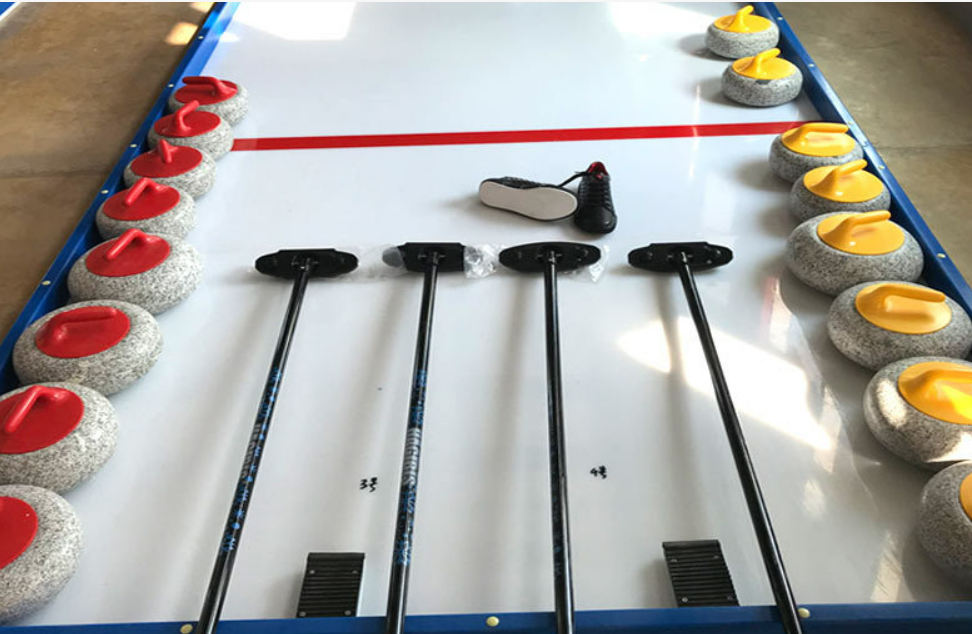
High wear resistance: UHMWPE with a molecular weight of 4 million exhibits 10× the wear resistance of standard PE and 7× that of carbon steel—ideal for high-frequency skating applications like ice hockey and curling.
Low coefficient of friction: Surface friction coefficient ranges from 0.05–0.08. With material modification, it can be optimized to 0.04–0.06, closely matching the glide of natural ice.
Weather resistance and stability: Operational temperature range: −20°C to 80°C (customizable to −40°C for extreme environments). Resistant to UV aging, acid/alkali corrosion, and exhibits no brittle fracture at low temperatures (notched impact strength ≥80 kJ/m²).
III. Recommended Dimensions and Specification Parameters
Synthetic ice uses a modular design. Dimensions and performance parameters should align with usage scenarios—considering exercise intensity, load requirements, and sliding performance. Below are industry-standard reference specifications:
| Parameter Category | Core Indicator | Curling / Professional Tracks | Ice Hockey / Training | Entertainment / Exhibition |
|---|---|---|---|---|
| Recommended Dimensions | Single Panel Size (L × W) | 1m × 1m / 1m × 2m | 0.5m × 1m / 1m × 1m | 0.5m × 0.5m / 1m × 1m |
| Thickness | 15–20 mm (High load requirement) | 10–15 mm (Balanced wear & cost) | 5–10 mm (Lightweight) | |
| Material Performance | Molecular Weight | 3.5M–4M (Ultra-high wear resistance) | 2.5M–3.5M (Balanced performance) | 1.5M–2.5M (Economic grade) |
| Density | 0.93–0.94 g/cm³ | |||
| Friction Coefficient (Dry, vs. Steel) | 0.04–0.06 | 0.05–0.07 | 0.06–0.08 | |
| Wear Resistance (ASTM D4060, 1kg Load) | ≤0.5 mg/1000 cycles | ≤0.8 mg/1000 cycles | ≤1.2 mg/1000 cycles | |
| Impact Strength (−40°C, Notched) | ≥70 kJ/m² | ≥60 kJ/m² | ≥50 kJ/m² | |
| Splicing and Installation | Splicing Method | Interlocking (anti-lateral movement, alignment error ≤0.1 mm) | Snap-fit (quick disassembly) | Adhesive bonding (low-cost fixed installation) |
| Single Panel Weight | ~18 kg (20 mm thick) | ~10 kg (10 mm thick) | ~5 kg (5 mm thick) | |